

Most foot support advice online is built around workouts, running performance, or recovery after exercise. But for many people, that is not the real challenge. The real challenge is getting through everyday life with less foot fatigue, less soreness, and more confidence in every step. Walking through the grocery store, standing at work, traveling, and staying active as you get older may not sound athletic, but those everyday moments are exactly where comfort matters most.
Walking remains one of the most common forms of physical activity among U.S. adults, and regular walking has been associated with lower risk of heart disease, stroke, type 2 diabetes, depression, and some cancers. For older adults, staying active through regular movement also supports mobility, independence, and day-to-day confidence. That is one reason walking support deserves more attention than it usually gets.
If you have flat feet, or if your arches have gradually weakened with age, daily walking can feel more tiring than it should. In that situation, support is not about performance. It is about helping everyday movement feel steadier, more comfortable, and easier to sustain.
Walking Support Fits Real Life
When most people search for foot support, they are not training for a race. They are trying to feel better during normal life. They want to walk longer without their feet feeling worn out, stand at work with less discomfort, and get through the day without feeling like every step is a strain.
That is why a walking-first message feels so natural for a wellness brand. Walking is familiar, practical, and already part of daily life. If a product is really designed for comfort, stability, and long hours of wear, then talking about walking makes far more sense than talking about speed or high-impact performance.
For flat-footed adults and older walkers, the goal usually is not to move faster. It is to move more comfortably. It is to feel supported in real-life situations such as errands, commuting, travel, and all-day wear.
How Flat Feet Affect Daily Walking
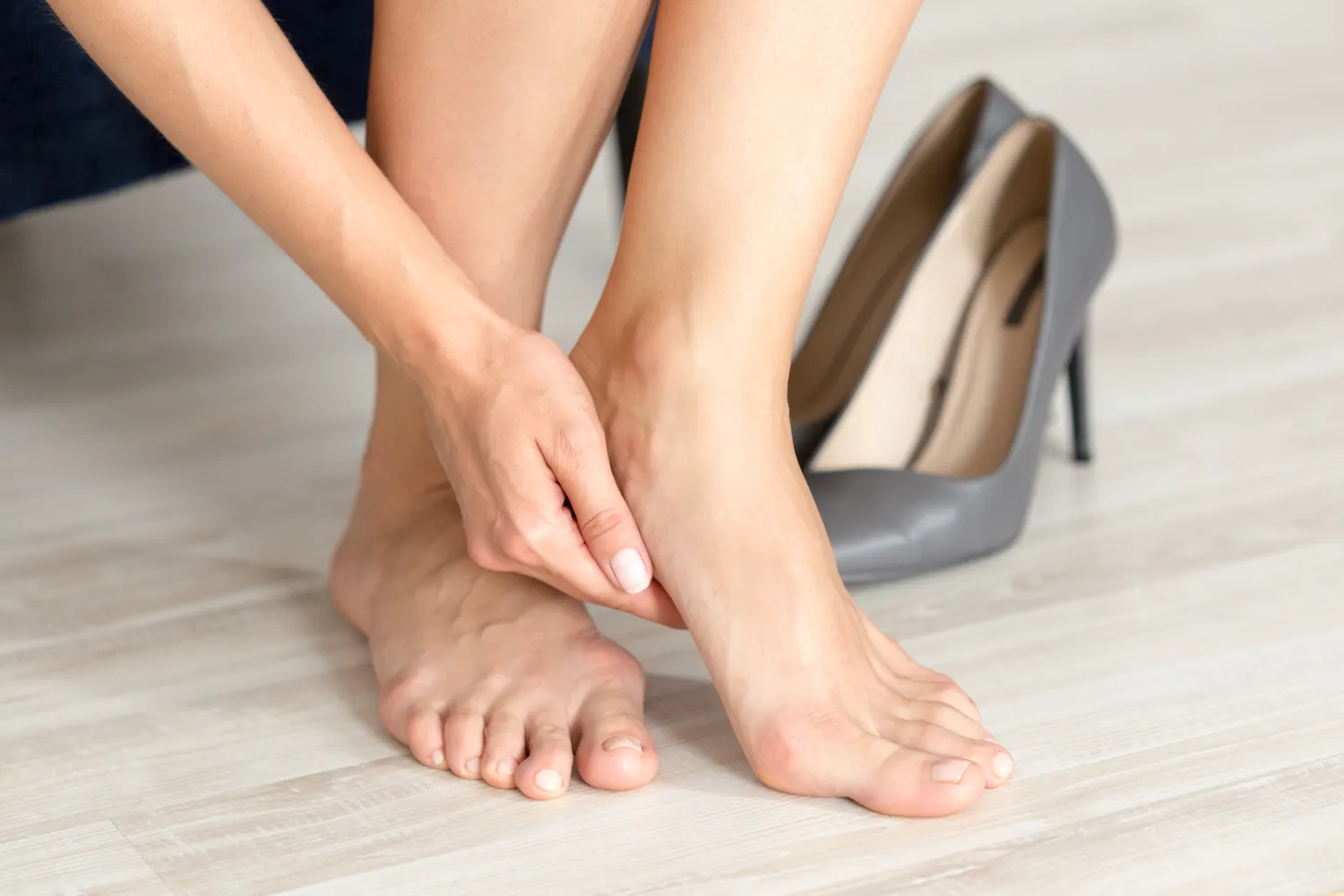
Flat feet change the way force moves through the foot during walking. When the arch collapses more during stance, shock absorption may become less efficient, and pressure may not be distributed as comfortably as it could be. Over time, that can help explain why some people feel more fatigue or strain during walking and standing.
Research on flexible flatfoot has linked it with symptoms or associated issues such as plantar fasciitis, tendinitis, metatarsal pain, knee pain, and lower back pain. That does not mean every person with flat feet will have pain, but it does show why better support can matter in everyday life.
For this audience, support is not about chasing bounce or energy return. It is about helping the foot manage daily pressure in a steadier, more forgiving way.
Why Aging Changes the Picture
Aging creates another layer of change. Many older adults experience reduced balance, reduced postural stability, and changes in sensory feedback, which can make walking feel less secure than it once did. When that happens, people often do not just feel discomfort physically. They may also become more cautious, walk less, or feel less confident in ordinary environments.
That matters because regular movement plays an important role in maintaining mobility and independence later in life. In a randomized trial involving community-dwelling older adults, foot orthoses improved balance-related outcomes, suggesting that simple in-shoe support may be a useful part of everyday mobility support.
For older adults, that kind of support is not about sports. It is about comfort, steadiness, and confidence while moving through normal life.
Walking Support vs. Running Support
A trustworthy brand should be precise here. It would not be accurate to say that all insoles are only for walking, because running-specific insoles do exist and are designed for different performance demands. But it is fair to say that for flat feet and aging feet, walking-focused support is often the better fit for daily life.
The reason is simple. Daily walking usually means repeated steps, long wear time, comfort inside everyday shoes, and support that feels stable rather than aggressive. That use case is very different from the needs of someone doing high-impact runs or training sessions.
| Situation | What Usually Makes More Sense | Why |
|---|---|---|
| Daily errands, commuting, work shifts | Walking-focused support | Prioritizes comfort, stability, and long wear in everyday life. |
| Flat feet with daily fatigue | Arch-support walking support | May help distribute pressure more evenly and reduce repetitive stress during walking. |
| Older adults wanting steadier steps | Walking-focused support | Daily balance and confidence matter more than performance features. |
| Jogging or higher-impact training | Running-specific support | Better matched to higher-impact movement and sport-focused demands. |
What Good Walking Support Should Feel Like
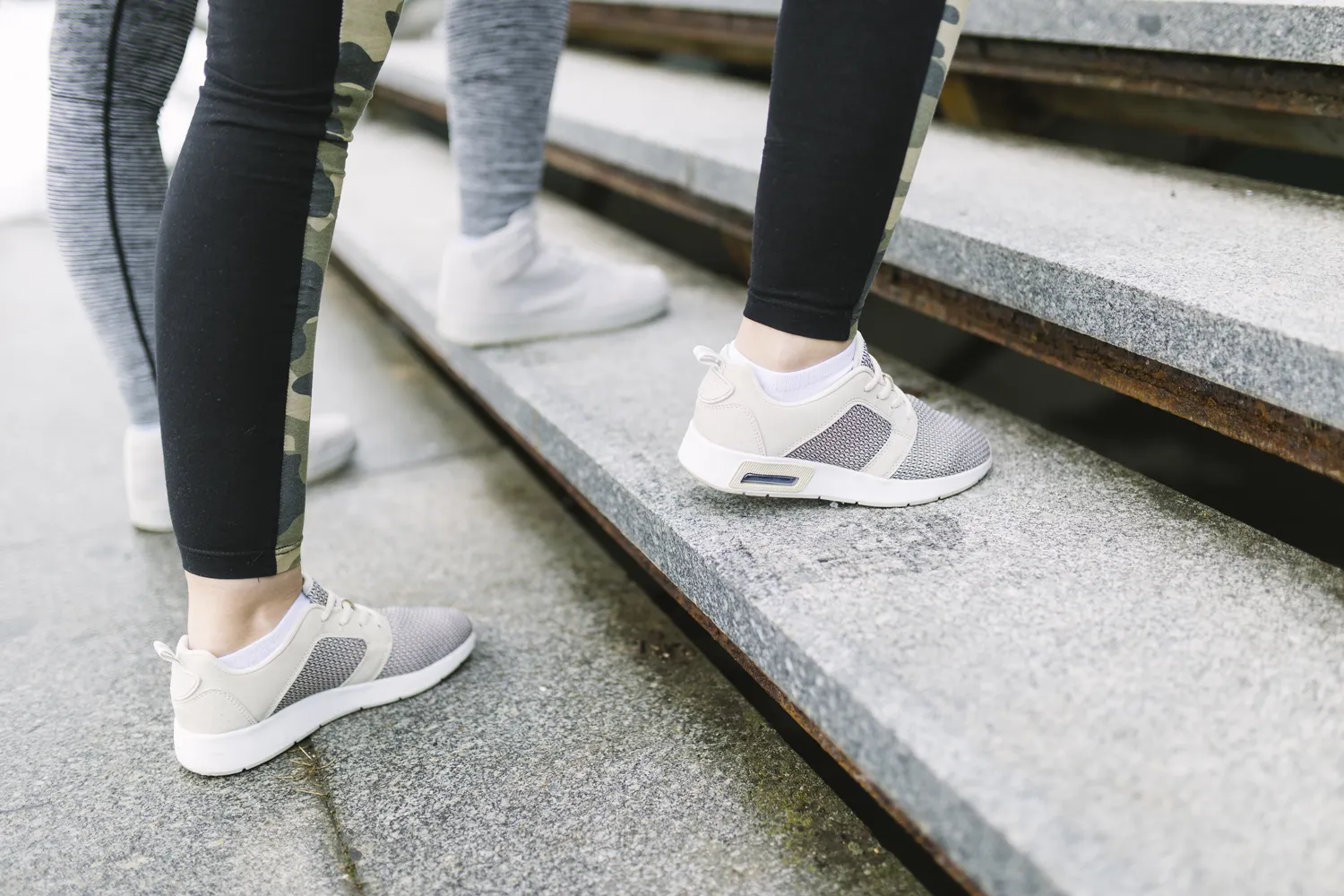
Good walking support should feel stable, comfortable, and natural. For many people, that starts with a shoe that has a secure heel, a stable base, and enough room inside to work well with a supportive insole.
Arch support should feel supportive without feeling harsh. Cushioning should soften ground impact without becoming so soft that the foot loses guidance. Fit matters too, because even a well-designed support product can feel wrong if the shoe crowds the toes or changes heel position too much.
In people with flat feet, arch-support insoles have been associated with shorter stance time during walking, lower peak pressure at the medial heel, and more even contact across the foot. In practical terms, that supports the idea that the right type of walking support may help make everyday walking feel less demanding.
A More Helpful Way to Talk About Support
The best wellness content does not over-promise. It explains what support can do, and it is honest about what support cannot do. Shoes and insoles may help with comfort, pressure distribution, and day-to-day walking mechanics, but they are not a cure-all.
If someone has ongoing heel pain, numbness, a sudden change in walking ability, or symptoms that interfere with everyday life, it is important to speak with a qualified healthcare professional or foot specialist. Honest guidance like that builds trust, and trust is what good health brands are built on.
For flat feet and older walkers, the most useful message is often the simplest one: everyday support for everyday movement. Not performance for performance’s sake, but support for the way people actually live.